You submitted your site to a directory three weeks ago. The link is live, the listing is approved - and your rankings have not moved. Is that normal? Almost always, yes. Understanding the actual timeline helps you stay patient without wasting weeks staring at dashboards.
This is specifically about one link, one directory, and what realistically happens between "approved" and a visible ranking change. If you are building a full link-building campaign the mechanics below still apply - they just repeat across more placements.
Phase 1: Googlebot Has to Find the Directory Page First
The crawl phase is often overlooked. Before Google can pass any signal from your directory listing, it has to visit the directory page where your link lives. For large, well-maintained directories with frequent content updates, Googlebot may crawl new pages within a few days. For smaller or less active directories, that wait can stretch to three or four weeks.
Several things affect how quickly a directory page gets crawled:
- Domain crawl frequency - Established directories with high traffic get crawled more often than niche or newer ones.
- Internal link depth - If your listing is buried three clicks from the homepage, expect a longer wait than a listing on a main category page linked from navigation.
- Sitemap freshness - Directories that submit updated XML sitemaps regularly tend to get new pages picked up faster.
You can check whether a directory page is indexed by running a site: operator search on the directory domain and looking for your listing. Google Search Console's URL Inspection tool on your own site is also useful - it shows recently discovered referring links once the crawl happens.
Phase 2: Crawled Is Not the Same as Indexed
This distinction trips up a lot of site owners. Googlebot can visit a page and choose not to index it - particularly if the page is thin, heavily templated, or flagged as low-value. If the directory page containing your link is not indexed, that link carries no usable ranking signal at all.
For well-curated directories with genuine editorial standards, most listing pages do get indexed. The typical window is one to three weeks after the first crawl. So if Googlebot visits the directory page in week two post-approval, expect indexation somewhere between week two and week five. At that point Google "knows" the link exists - but knowing it exists and acting on it as a ranking factor are still two separate things.
When Does the Link Actually Move Rankings?
Here is where expectations often drift from reality. A single directory backlink from a mid-sized curated directory will rarely shift rankings on its own. What it does is contribute to a cumulative signal that Google evaluates across your entire backlink profile over time.
For newer sites with few existing backlinks, one quality directory link can produce a measurable nudge within four to eight weeks of indexation - especially for low-competition queries. For sites that already have dozens of links, one new directory listing gets absorbed more quietly into the existing profile without visible short-term movement.
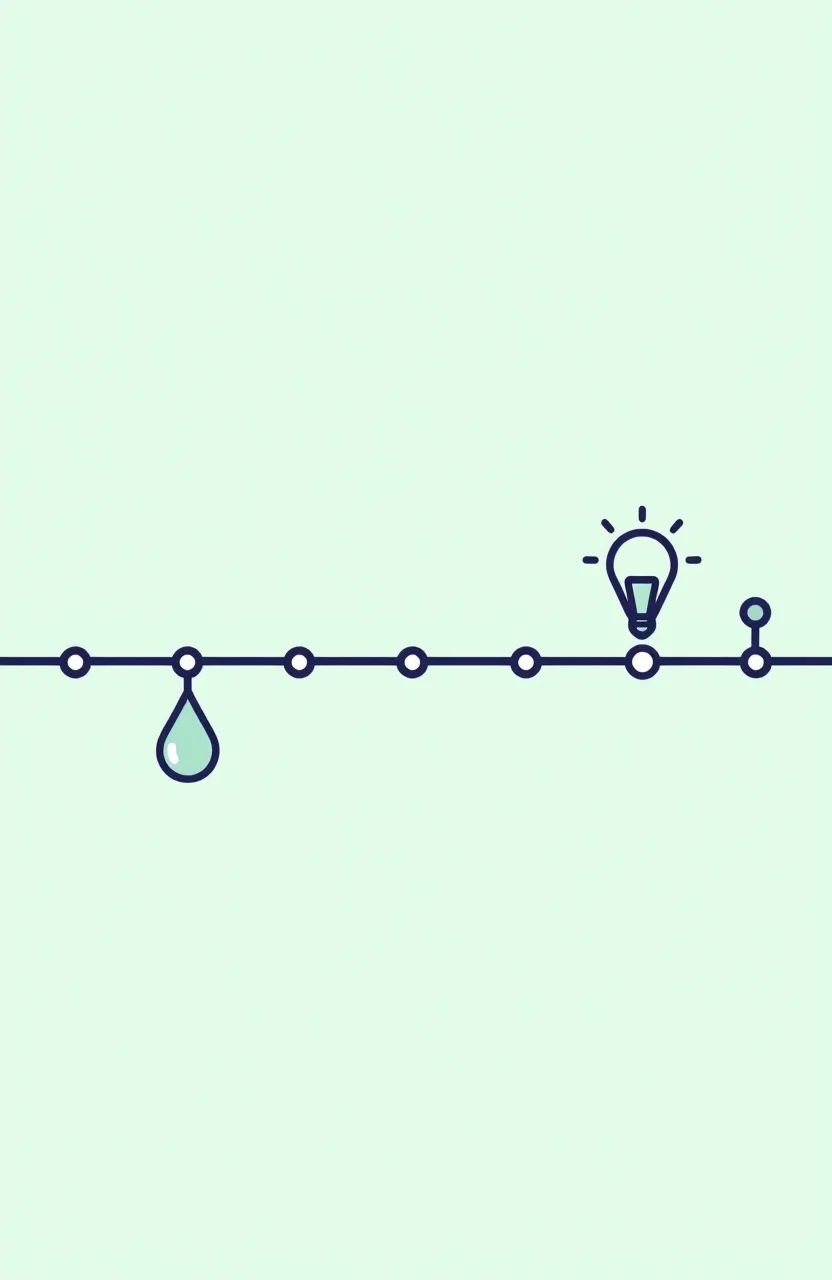
A rough timeline from approval to any visible effect:
- Week 0-2: Link is live on the directory page. Not yet crawled in most cases.
- Week 2-4: Googlebot likely crawls the page if the directory is reasonably active.
- Week 4-8: Link gets indexed. Google begins processing it as part of your link profile.
- Week 8-16: Any ranking effect, if measurable, typically surfaces here for newer or lower-authority sites.
If you are thinking about how a series of links compounds over a longer window, the realistic 90-day ranking plan covers that broader picture - directory links are one layer in a multi-signal strategy, not a standalone lever.
What Shortens (or Extends) the Timeline
Several factors can compress or extend each phase of this process significantly.
The directory's own health matters most. If the directory has strong crawl coverage, an active editorial team, and internal linking that surfaces new listings from the homepage or top-level category pages, you can see the link indexed in under two weeks. A dormant directory with crawl gaps of four to six weeks is the opposite scenario.
Your own site's crawl health is equally important. Google prioritizes updating link data for sites it already crawls frequently. If your site has slow crawl coverage, unresolved index errors, or thin page coverage in Search Console, fixing those first will help Google process new backlinks faster regardless of where they come from.
Link type matters too. A dofollow backlink passes PageRank to your site; a nofollow one does not. Most quality curated directories default to dofollow, which is part of what makes them worth submitting to in the first place. Confirm the rel attribute by inspecting your listing's HTML source after approval.
What to Do While You Wait
The most unproductive move during this window is checking rankings every other day for a month, seeing no change, and concluding directory links do not work. The timeline above explains why that conclusion is almost always premature - the link may not even be indexed yet.
A more practical approach: submit to a handful of curated directories, note the submission date, and revisit keyword positions in Search Console at the eight-week mark. Look for new entries in the GSC Links report as confirmation that Google has registered the backlinks. If nothing appears after ten weeks, check whether the directory page itself is indexed using a site: search.
If you want to assess which directories are worth prioritizing before you submit, the comparison of DR vs DA for evaluating a backlink walks through the quality signals without getting lost in tool comparisons.
Directory links work because they are persistent, contextually relevant, and compound with every signal your site accumulates over months. One link is a building block, not a lever - and knowing the realistic timeline is what keeps the strategy sustainable rather than frustrating. A listing on FindGreatSites is a practical starting point: dofollow, curated, and category-specific, fitting into the free backlink types that actually deliver results when approached with the right expectations.