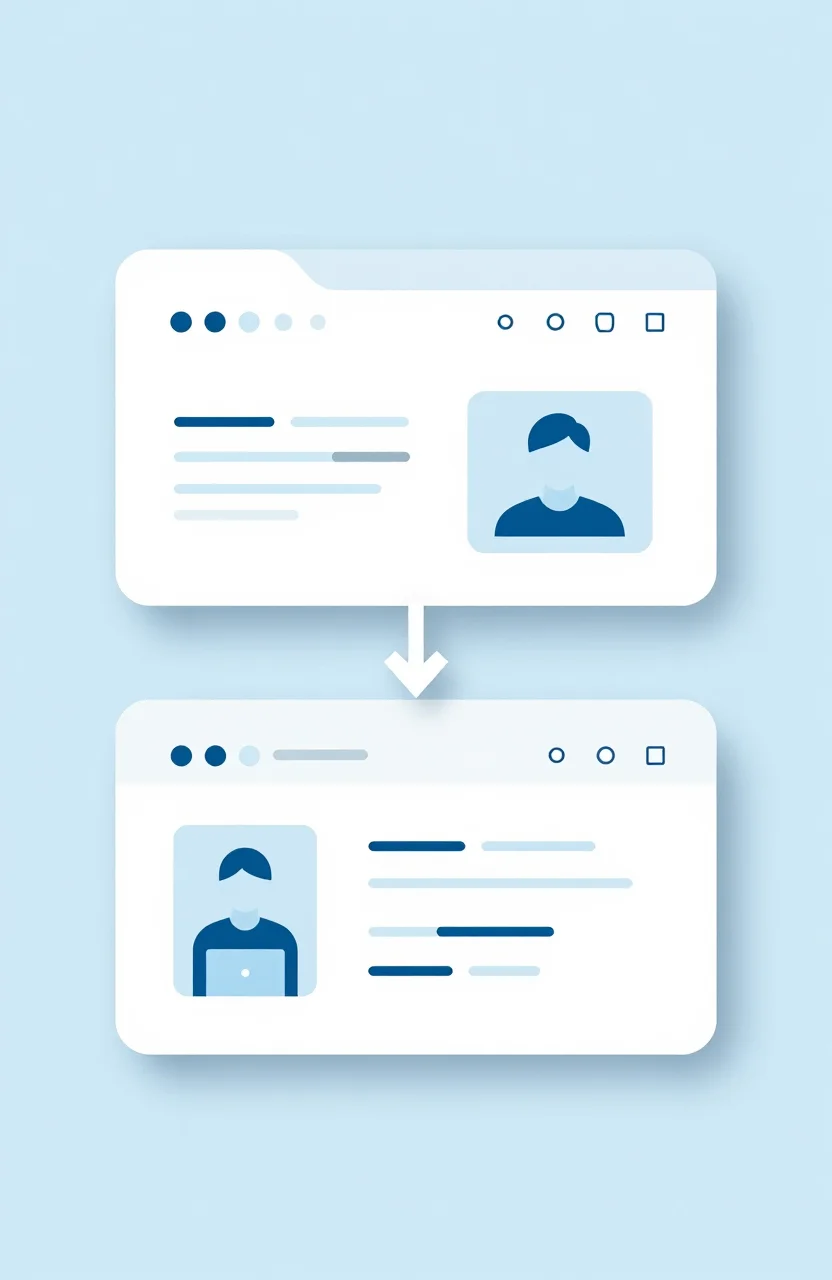
A backlink is a hyperlink from another website that points to a page on yours. When someone clicks that link, they leave the other site and land on yours. Search engines also follow those links when they crawl the web, which is why backlinks show up in every serious SEO conversation.
That is the whole definition. Everything else you hear about domain rating, dofollow, spam scores, and link building is about quality and context. The link itself is simple: another site mentions your URL and turns it into something clickable.
If you just launched a site, learn this before you chase tactics. You cannot judge a directory listing, a guest post, or a social share until you know what a backlink is and what it can (and cannot) do for a new domain.
Backlink vs mention vs bookmark: what counts
People mix these up constantly. A plain text mention of your brand name is not a backlink. A bookmark in your browser is not a backlink. A URL pasted into a chat usually is not either. A backlink only exists when there is an HTML anchor that points to your domain or a specific page on it.
Quick check: open the page that supposedly links to you, right-click the clickable text, and inspect the element. If you see an href pointing at your site, you have a backlink. If you only see your brand name as text, you have a mention. Mentions can help branding, but they do not pass the same crawl path that a real link does.
Directories, blogs, news sites, and resource pages create backlinks when they publish your URL as a live link. Profile and listing pages do the same when a website field renders as a hyperlink. That is why a curated directory listing is still a backlink even if the pitch never says "link building."
A link to your homepage and a link to a deep article are both backlinks. They support different pages. For a brand-new domain, homepage links help the whole site get discovered. As you publish more content, deep links help individual pages rank for specific queries.
Why search engines care about backlinks
Search engines cannot read your mind about which sites deserve to rank. They look for public signals. A backlink is one of those signals because another site chose to point visitors and crawlers toward you. In simple terms, it is a vote that your page is worth visiting in a given context.
That vote is not equal for every link. A link from a trusted, topical site usually carries more weight than a random link from a page nobody visits. Relevance, placement in the main content, and the health of the linking domain all change how much the link helps. For a plain definition, you only need this: engines use links to discover pages and to estimate trust between sites.
Backlinks also speed crawl discovery. Crawlers may still find you through a sitemap or Search Console, but links help. One solid listing can put your URL in front of a crawler that already visits the directory. That matters when your domain is days or weeks old.
More links do not always mean better rankings. Low-quality or irrelevant links add noise. The definition still holds: a backlink is a pointing link from another site. Strategy is about which ones you pursue and which ones you ignore.
What a backlink looks like for a new site
On a brand-new domain, your first backlinks rarely look like major press features. They usually look like listings, profiles, and small contextual mentions. That is normal. You are building a trail of public URLs that point home, not collecting vanity screenshots.
A practical first backlink for many indie projects is a directory listing. You submit your site, the directory publishes a page about your project, and that page includes a live link to your URL. If the link is dofollow, it can pass authority. Even when the main goal is discovery, you still get a real backlink in the HTML. Browse the FindGreatSites directory to see how listings are structured before you submit.
Other early backlinks come from useful posts people cite, answers that include a relevant resource link, or partner resource pages. The mechanism is identical: someone else publishes a live link that points at you.
Skip mass comment spam, link farms, and pages that accept every URL without review. They may meet the technical definition, but they rarely help rankings. For judging strength later, read DR vs DA for judging a quality backlink. At the definition stage, ask whether the link is real, relevant, and on a page a human might see.
Dofollow, nofollow, and why the label matters
By default, a normal HTML link is treated as dofollow. Crawlers can treat it as a path that may pass ranking signals. If the link includes nofollow (or related values like sponsored or ugc), the publisher is telling search engines not to treat it as a full editorial endorsement.
Both types are still backlinks. Nofollow can send referral traffic. Dofollow can do that and also participate more directly in authority signals. Ignoring every nofollow mention is too blunt for a new site. Traffic from a busy nofollow page can matter on day one. Dofollow still matters for long-term SEO. Verify the label so you know what you received.
Directory listings vary. Some give dofollow on approved listings. Others use nofollow by default. Check the page source instead of trusting a claim. While you learn, keep the site page of backlink resources handy as your profile grows.
How to get your first real backlink without guessing
Stop treating "get backlinks" as a vague goal. Treat it as "get at least one live hyperlink from a relevant, crawlable page to my homepage." That framing keeps you from buying junk packs or blasting auto-approve directories.
Finish a page that clearly states what your site does. Submit a listing where curation exists, so your URL sits in a real category. Confirm the published page includes your link. Add your sitemap in Search Console. Then earn a second link from something topical: a resource roundup, a short guest tip, or a partner page that already lists tools like yours.
One verified listing plus one contextual mention teaches you more than a spreadsheet of unchecked URLs. When you are ready, create a free account on FindGreatSites and add your site with a clear title and short description. That listing is a backlink in the plain sense: another website pointing at yours.
A single backlink will not rank a competitive keyword overnight. It helps discovery, adds a public reference, and gives you a baseline. Once you understand the definition, every later tactic is just another way to create the same object: a link from their page to yours.
A backlink is a hyperlink on another site that points to your site. Everything after that is judgment about quality, relevance, and whether the link helps people or only exists for bots.