Getting a rejection notice from a directory is frustrating, especially when the platform gave you no explanation. But most rejections fall into a small set of predictable causes - and most of them are fixable in under an hour. Before you resubmit, or give up entirely, it helps to diagnose which one you're dealing with.
Your Site Looks Unfinished
Directory editors review your actual site before approving a listing. If the homepage loads with placeholder text, empty sections, coming-soon notices, or a generic theme with no real content, the submission will almost certainly be rejected. Curated directories exist to help visitors discover useful, working sites - not landing pages still under construction.
The fix here is sometimes uncomfortable: your site needs to be genuinely ready before you submit it anywhere. That means:
- A homepage with a clear description of what your product or site does
- At least one real page beyond the homepage - pricing, features, about, or a published blog post
- No broken links on the pages most likely to be checked during review
- Working contact information or a support option visible somewhere
If you're submitting a SaaS product, a landing page with a working signup flow and a basic features section is the minimum bar. If you're submitting a content site, three or more published posts with real content signal you're active and credible rather than just reserving a spot.
Some founders rush submissions during pre-launch to build early authority. This can backfire - you may get blocked from a directory's review queue entirely rather than just rejected, depending on how the platform handles repeat submissions from the same domain.
Your Listing Description Is Too Thin or Too Generic
Directory editors read dozens of submissions daily. If your description reads like it was written in 30 seconds - or copy-pasted from your meta description without modification - it will often get flagged as low quality and rejected without further review.
Common problems with listing copy:
- Too short: one sentence isn't enough. Most directories expect 2-4 sentences explaining what the product is, who it's for, and what makes it worth discovering.
- Too vague: a phrase like a platform that helps you grow your business tells an editor nothing specific about your site.
- Keyword stuffing: cramming in SEO terms reads unnaturally and some directories penalize it explicitly in their review criteria.
- Identical to your meta description: editors have often already seen your site's meta during their check and notice immediately when you reuse it verbatim.
Write your listing description specifically for the directory audience. Explain what your product does in concrete terms, who the primary user is, and what distinguishes it from similar tools in the same category. Even 80-100 words of specific, clear copy changes how a reviewer reads your submission.
If you want to see what makes a listing effective before resubmitting, this guide on directories that actually get you discovered covers the quality signals that separate approved from rejected submissions across different platform types.
You Selected the Wrong Category
Category mismatch is one of the most common causes of rejection - and one of the most avoidable. It usually happens when submitters pick a broad or popular category instead of the one that best fits their site, hoping for more exposure in a high-traffic section.
In practice, editors verify category fit manually. Submitting a developer tool under Marketing, a local business under SaaS, or a blog under AI Tools is a fast path to rejection because it makes the directory harder to use for the visitors it's meant to serve.
How to fix it:
- Read each category description on the directory carefully before selecting - don't just pick the one with the most listings
- If your product fits two categories, pick the primary one and mention the secondary use case in your description
- Check what other accepted listings in each candidate category actually look like
- When in doubt, contact the directory before submitting to ask which category fits your site best
Some directories also offer sub-categories. Using a specific sub-category rather than a broad top-level one often improves approval odds - it signals you've read the structure carefully and your submission is a deliberate fit rather than a guess at the widest possible net.
Your Submission URL Has a Problem
A broken, redirecting, or temporarily inaccessible URL at the time of review is an immediate rejection trigger. Editors click your link during the review process. If it returns a 404, redirects somewhere unexpected, or shows a server error, the submission fails regardless of how strong the rest of the form is.
Common URL issues to check before submitting:
- Broken link: the page no longer exists at that URL
- Redirect chain: your URL bounces through 2-3 redirects before reaching the final page, which some platforms flag as suspicious
- HTTP vs HTTPS mismatch: submitting the HTTP version when your canonical is HTTPS, or vice versa
- Geo or device blocking: your site blocks certain countries or IP ranges and the editor reviewing your submission happens to be in one of them
- Password protection: the page is behind a login gate or maintenance mode during the review window
The simplest fix: open your submission URL in a private browser tab and confirm it loads cleanly on the first request with no redirect loops. If your site uses geographic rules, test from a VPN exit node in a different country before submitting anywhere.
A Pre-Submission Checklist
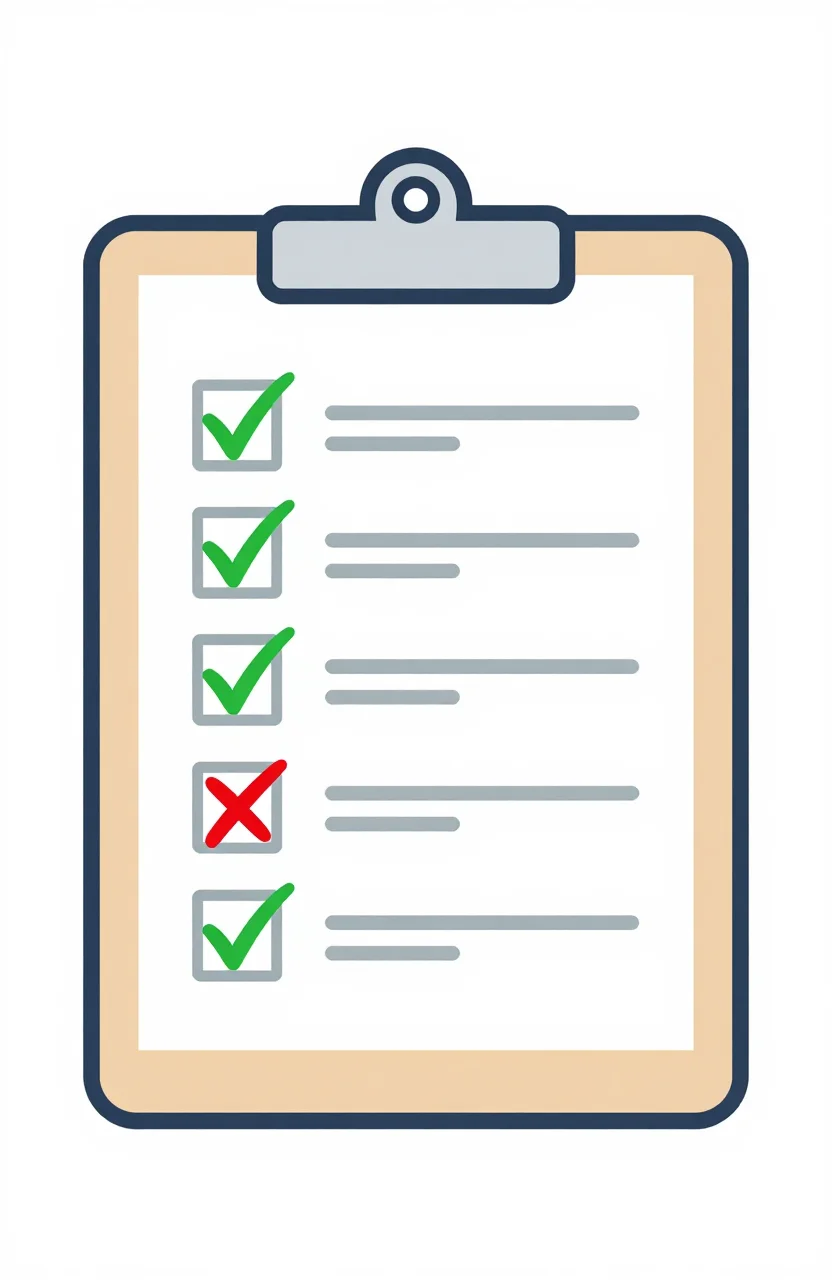
Before you submit to any directory, run through these in order:
- Homepage loads without placeholder content or broken sections
- At least one additional published page exists beyond the homepage
- Submission URL opens cleanly in a private browser tab with no unexpected redirects
- URL uses HTTPS and matches your canonical version
- Listing description is 80-150 words, specific, and written for this directory's audience - not copy-pasted from your meta
- Category selection matches how the directory classifies sites like yours
- Contact or support information is visible somewhere on the site
- No maintenance mode, geo-blocking, or password protection active during submission
Running this before your first submission - rather than after your first rejection - saves the time of waiting for a second review cycle, which can be days or weeks on busier platforms with manual editors.
If you haven't identified which directories are worth targeting in the first place, this list of SaaS directory submission platforms covers the ones with the strongest curation standards and real traffic. Once your submissions are live, you can browse the FindGreatSites directory to see how approved listings are structured on a manually reviewed platform - useful context before you write your own.