The Right Way to Approach Directory Submission
Directory submission gets a bad reputation because of how it used to be done. Years ago, people submitted to hundreds of low-quality directories, hoping volume would beat quality. Google caught on, and those directories lost all SEO value.
The approach that works in 2026 is different. You submit selectively to curated platforms that have editorial standards, real traffic, and categories that make sense for your product. Each submission is a backlink, a discovery point, and a citation that builds your brand presence across the web.
Founders who submit to 20-30 quality directories in their first 90 days see measurable improvements in their domain authority and organic discovery. The key is choosing the right platforms and submitting efficiently.
This guide covers the platforms that deliver results in 2026, grouped by what they are best for, so you can prioritize based on your goals.
The Platforms That Drive Real Results
Not all directories serve the same purpose. Some drive immediate traffic, some build long-term SEO authority, and some target specific audiences. Here is how they break down.
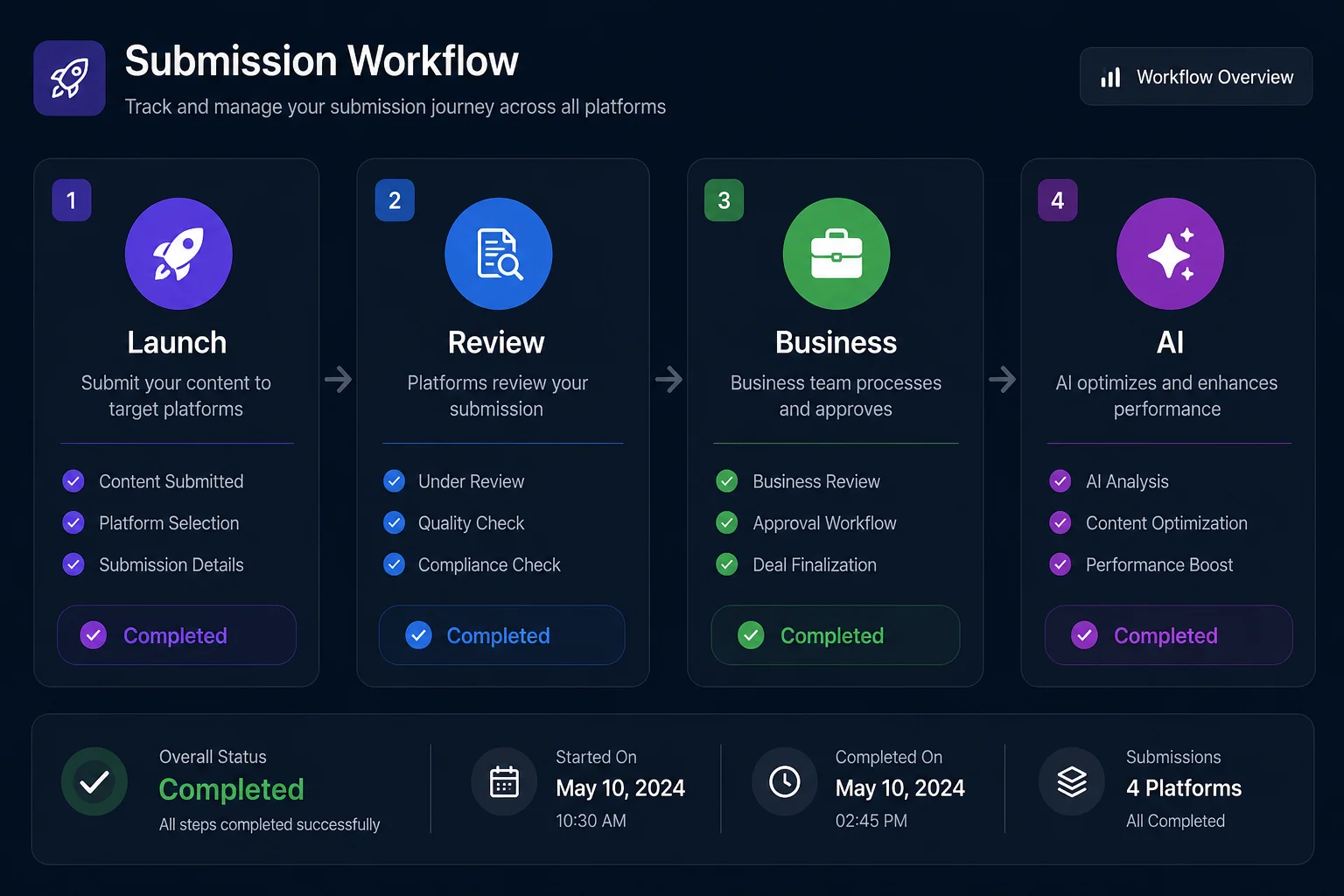
Launch and discovery platforms are ideal for getting your product in front of people actively looking for new tools. Product Hunt, BetaList, and Uneed fall into this category. The traffic spike from a launch can be significant, and the backlink is a bonus.
Review and comparison platforms build credibility over time. G2, Capterra, and SaaSHub are where buyers go when they are comparing options. The backlinks from these sites carry high authority, and the more reviews you collect, the more visible your listing becomes.
Business and startup directories like Crunchbase and LinkedIn provide consistent backlinks from high-DR domains. These are quick to set up and add diversity to your link profile without ongoing effort.
AI tool directories have grown rapidly. If your product has any AI component, platforms like Futurepedia and There's An AI For That offer free listings with solid backlinks from relevant audiences.
The best strategy is to pick one or two platforms from each category and submit within the first month. That gives you a balanced backlink profile from the start.
Start With FindGreatSites - Your SaaS Launch + Dofollow Link
The single best place to start is FindGreatSites. Every submission to our directory includes a permanent dofollow backlink from a DR68+ platform, a categorized listing alongside similar products, and ongoing visibility through the directory's regular crawl activity.
- Dofollow link from day one. Your listing page includes a dofollow link to your site. No paid plan required.
- Category relevance. Your product appears in the directory alongside tools in your space. This contextual fit strengthens the backlink's value.
- Permanent and free. The listing stays indexed as long as your project is active. No expiration, no hidden costs.
- Leaderboard visibility. The top creators on FindGreatSites list multiple projects and build authority through consistent directory presence.
Submit your product for free. It takes about five minutes. You get a dofollow backlink, a live listing, and a foundation to build on.
Review Platforms vs Discovery Platforms
Understanding the difference between review and discovery platforms helps you allocate your time better.
Review platforms (G2, Capterra, Trustpilot) work best when you have existing users. A listing with no reviews ranks lower on these platforms and passes less implied authority. The strategy is to claim your listing early, then collect reviews gradually. Each review improves your position on the platform and compounds the SEO value.
Discovery platforms (Product Hunt, BetaList, Uneed) work best during a launch or relaunch. They drive a spike of traffic and visibility. The backlink is a secondary benefit. Focus on creating a compelling listing page with screenshots, a clear description, and a call to action that converts the traffic spike into signups.
Both types matter, but they serve different stages. Claim review platform listings in month one. Focus on discovery platforms when you have something new to announce.
AI Directories Worth Your Time
If your product has an AI angle - even a small one - AI directories are a free backlink opportunity that most founders overlook. The space has grown fast, and these directories are actively looking for new listings.
Futurepedia is the largest AI tool directory with a Domain Rating of 72. Free to submit. Your listing appears alongside hundreds of other AI tools, giving you both a backlink and discovery traffic.
There's An AI For That organizes tools by use case rather than category. This means your product is discoverable by people searching for a specific task rather than browsing a broad category. Higher conversion potential.
If your product is purely SaaS with no AI features, you can skip these. But if there is any AI component, add these to your submission list. They take 5-10 minutes each and provide relevant backlinks from domain-specific audiences.
A Smarter Submission Workflow
Submitting to directories one at a time is slow. Here is a workflow that makes the process efficient without sacrificing quality.
Step 1: Build a master kit. Write your product description in two lengths - 150 characters (for short bio fields) and 300 words (for detailed descriptions). Collect 3-5 screenshots, your logo, and a founder bio. Store everything in a single document you can copy from.
Step 2: Start with FindGreatSites. Submit here first. You get an immediate dofollow backlink and a live listing you can reference in other submissions.
Step 3: Batch by category. Open 5 tabs for platforms in the same category. Paste your master kit into each form, adjust for platform-specific requirements, and submit. One session of 30 minutes covers 5 platforms.
Step 4: Track everything. Use a simple spreadsheet with columns for platform name, submission date, link type (dofollow or nofollow), and login credentials. Review it monthly to check which backlinks are still active.
Step 5: Revisit quarterly. Update your descriptions, add new screenshots when your product changes, and check for new directories that launched. Directory submission is not a one-time task - it compounds when maintained.
Three batches per week means 15 directory submissions. Over 90 days, that is 45+ quality backlinks from diverse sources. Combined with strong content and technical SEO, that is enough to build meaningful authority for a new SaaS product.
To get started, submit your product to FindGreatSites. It is the fastest submission you can make and the foundation for everything else.