Leaderboards feel like a shortcut. Sit near the top and more people open your listing. Sit near the bottom and you blend into the scroll. The temptation is to buy clicks, farms, or fake accounts so the rank jumps overnight.
That path usually collapses. Curators notice. Analytics look weird. Peers talk. This article is the how: legitimate levers you can pull week after week, plus a checklist that stays boring on purpose. If you want the why behind the attention loop first, read why directory leaderboards drive extra discovery, then come back here to climb without dark patterns. Start from the live leaderboard and keep your home base in the directory.
What a leaderboard actually rewards
Most directory leaderboards are proxies for attention already earned inside the product: views, clicks, referrals, saves, or a mix. They are not a Google ranking factor by themselves. They are a discovery amplifier for humans who browse ranks the way they browse Product Hunt charts.
That means fake engagement is expensive theater. You pay for numbers that do not convert, then you train the system to distrust your listing. Real movement comes from three boring inputs: a listing people want to open, people who actually send traffic, and a cadence that keeps the listing fresh without spam.
Before you optimize rank, open your own card cold. If the title is vague, the screenshot is blurry, or the CTA is "learn more" with no outcome, climbing will only send more people into a weak page. Fix the asset first. A weak listing that ranks higher still wastes every impression it earns.
Legitimate lever 1: listing quality that earns the click
Rank without click-through is vanity. You want browsers who land on the leaderboard to choose you over the card next to you. That is copy and clarity work, not bot work.
Rewrite the title around a single outcome. Swap generic adjectives for a user and a job. Make sure the primary URL loads fast and matches the promise. Update the description when your product changes instead of leaving a six-month-old beta blurb that no longer matches the homepage.
Small quality upgrades compound because every leaderboard impression becomes a better conversion into your site. You are not gaming the board. You are making the board more useful when it features you. Treat each rewrite like a product release note: one clearer promise, one fresher proof point, one cleaner link.
A five-minute quality pass
- Title states the outcome in plain language
- First sentence names who it is for
- Link resolves without redirects into dead campaigns
- Visual matches current branding
- Category still fits the product you ship today
Legitimate lever 2: referrals from people who already care
Organic leaderboard climbs usually follow real shares: a changelog note, a launch thread, a partner newsletter, a customer community post. You are asking people who already trust you to open a public URL once, not to manufacture accounts.
Be specific when you ask. "We just shipped X. If it helped you, the FindGreatSites listing is here" beats "please upvote us everywhere". Context reduces the spam smell and attracts visitors who understand the product.
Track referral paths in your analytics. If a Discord dump brings bounce-heavy traffic and no signups, stop doing Discord dumps. If a niche newsletter brings slower but sticky visits, do that again next month. Leaderboards reward sustained attention more than one viral spike that dies in 48 hours. Keep a simple note of which audience actually read the listing, not just who clicked once.
Legitimate lever 3: cadence without spam
Cadence means showing up on a schedule you can keep. Refresh the listing when you ship. Share the directory URL when you have news. Reply when someone finds you through the board. It does not mean posting the same link three times a day across every channel.
Spam cadence looks like synchronized bot comments, purchased click packages, and circular voting rings. Those patterns are easy to spot and hard to unstick from your reputation. If a service promises "guaranteed top 10 this week", assume the traffic is rented.
A healthy rhythm for most indie teams is weekly: one quality check, one honest share if you have news, one look at which channels actually moved the needle. Monthly is fine if you ship slowly. Daily blasting is almost never fine.
Dark patterns to refuse on sight
Skip click farms, CAPTCHA farms, and "engagement pods" that trade empty visits. Skip creating sockpuppet accounts to open your own listing. Skip paying for rank screenshots with no underlying product interest. Skip bait-and-switch landing pages that promise a free tool and drop people into an unrelated funnel.
These tactics can move a number for a weekend. They also train you to ignore product work. When the rented traffic stops, the rank falls and you have learned nothing about messaging that works with real browsers.
If a competitor suddenly jumps twenty places with zero product news and zero public conversation, do not copy them. Keep building the levers you control. Boards that matter eventually dampen or remove obvious abuse.
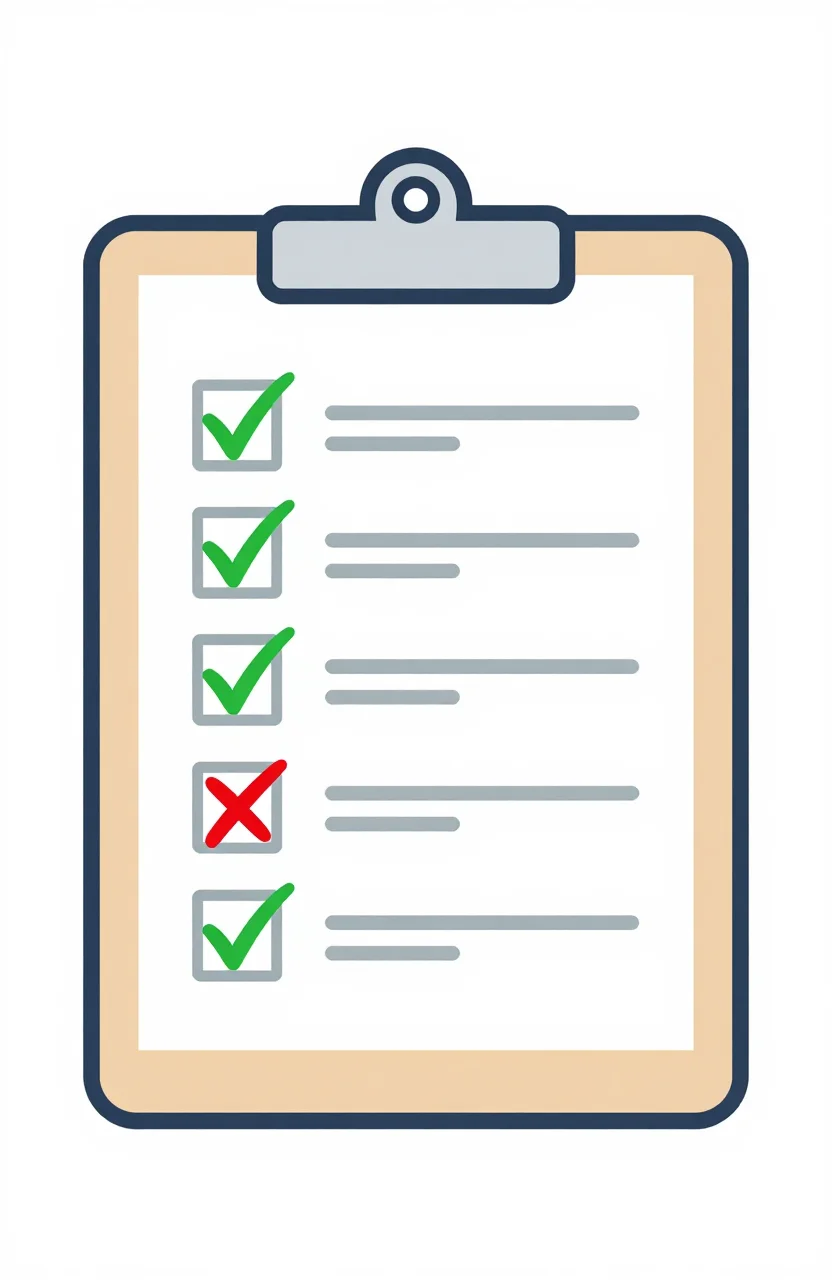
Weekly checklist to climb without faking it
- Open the leaderboard and note your approximate position without obsessing over one-day swings.
- Open your listing as a stranger. Fix one clarity issue in the title or first sentence.
- Confirm the primary URL still matches the current offer.
- Share the listing once in a channel where your users already hang out, only if you have a real update.
- Log referral traffic and one qualitative note: who showed up, what they asked.
- Ignore any DM selling "instant ranking".
Repeat for four weeks. You will either see steady, honest movement or you will learn that the listing needs a sharper offer. Both outcomes beat a fake spike. Keep browsing peer listings in the directory so you understand the bar you are competing against, then climb with work you would not mind explaining out loud to a customer sitting next to you.