You ship one product. Then you list it on FindGreatSites, a partner directory, a niche roundup, and maybe a launch board. A week later your homepage URL differs on two profiles, your free plan is described three ways, and your tagline still mentions a feature you removed in March. That is not a stacking problem. That is a consistency ops problem.
Choosing where to list next is covered in how to stack partner directories after your first listing. This guide is about what you do after those listings exist: one master copy, light variants, synced facts, and a habit that stops identical paste from looking like spam.
Why consistency beats identical paste
Browsers compare. Someone finds you in the directory, opens a second listing from a partner site, and expects the same product. If the name, URL, or pricing story conflict, trust drops before they ever hit your signup page.
Search engines notice patterns too. Pasting the exact same 400-word block into every directory can look lazy at best and templated at worst. You want recognition, not a wall of duplicate text. The sweet spot is a shared core (name, category intent, primary URL, price facts) with short variants tuned to each audience.
Think of it like packaging. The product inside stays the same. The shelf talker can change. The barcode never should. If two tabs disagree on the barcode, the shopper assumes one of them is wrong - and often leaves both.
Build a master listing once
Before you open five submission forms, write a master file you own. Keep it in Notion, a repo markdown file, or a private doc. The point is a single source of truth you update when the product changes.
Your master should lock these fields:
- Canonical product name (exact casing)
- Primary URL (prefer the homepage or a dedicated landing page, not a campaign UTM soup)
- One-sentence outcome (what the user gets, not what you built)
- Short description (roughly 80-120 words)
- Long description (roughly 200-300 words)
- Pricing facts (free tier limits, starting paid price, billing period)
- Category preference and 2-3 backup categories
- Logo and screenshot filenames so assets stay current
Add a short "do not invent" note at the top of that file. Examples: never claim SOC2 if you are still in progress, never list a feature that only exists on the roadmap, never change the product name for SEO experiments. Those mistakes multiply across directories faster than you can fix them.
When you need stronger click-focused wording, borrow structure from how to write a directory listing that gets clicks, then fold the winning lines back into the master. Do not invent a new product story for every form.
Light variants, not full rewrites
Each directory has a different browser. A SaaS launch list rewards feature clarity. A design gallery rewards visual proof. A developer board rewards stack and open-source signals. That is where variants help.
Keep the name, URL, and pricing facts identical. Then change only:
- The first sentence, so it matches what that audience cares about
- One example or use case that fits the niche
- Length, if the form caps characters
Example: your master opener might say you help indie founders ship landing pages faster. On a newsletter-heavy directory, lead with audience growth. On a no-code board, lead with templates. Same product, different doorway.
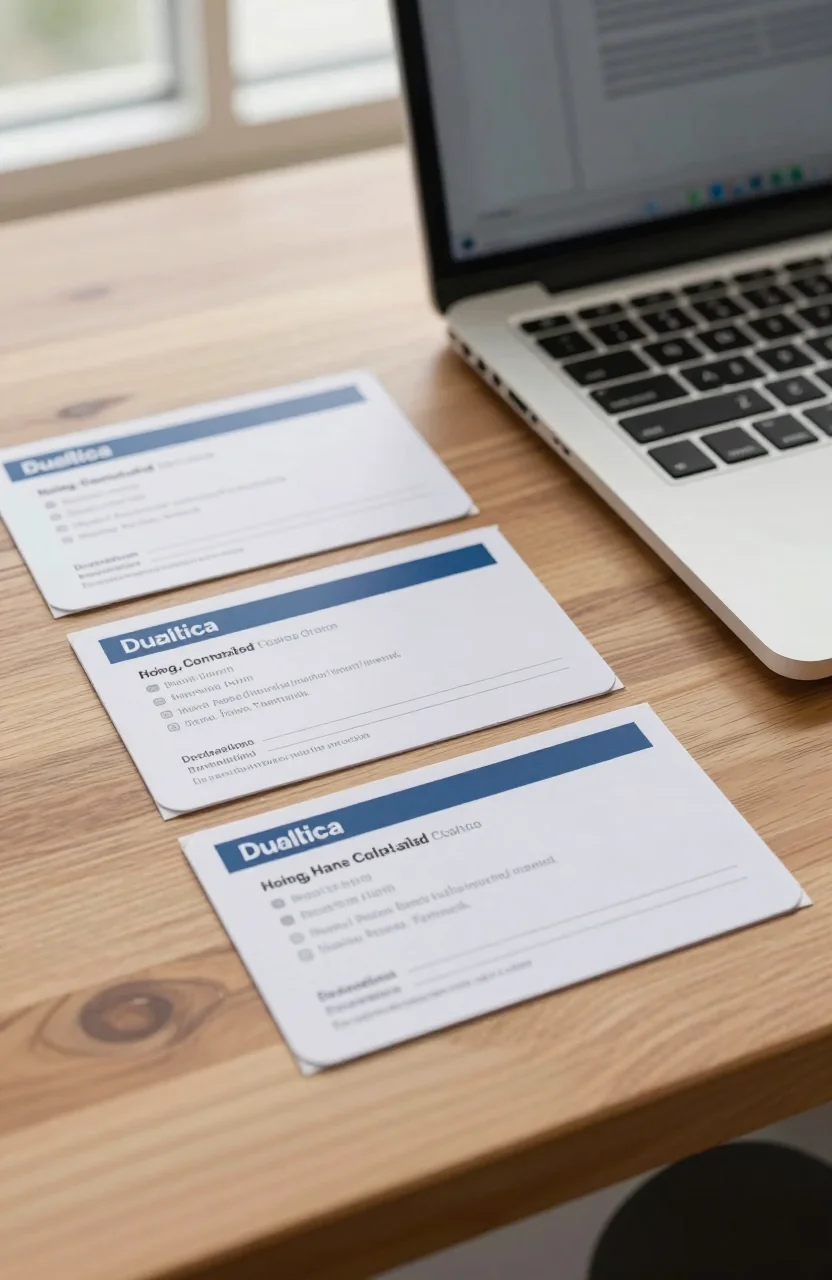
What you should not do is rewrite the entire value prop so Directory A sells "AI automation" while Directory B sells "simple forms." If a stranger cannot tell it is the same product in five seconds, you went too far. A useful test: read your three shortest listings out loud. If they feel like cousins, you are fine. If they feel like different startups, rewrite.
Sync URL and pricing like production data
Broken links and stale prices are the fastest way to waste a listing. Treat them like production config.
Pick one canonical URL and reuse it everywhere unless a directory forces a specific path. If you rotate landing pages for experiments, update the master first, then batch-edit live profiles. Do not leave half your listings on an old /beta path that 404s.
Pricing needs the same discipline. When you raise the starter plan from $9 to $12, schedule a 20-minute pass across your profiles the same week. Note free-tier limits carefully. Saying "unlimited projects" on one listing and "3 projects on free" on another creates support tickets and quiet bounce-offs.
A simple ops cadence works:
- After every pricing change: update master, then live listings
- After every rename or rebrand: same day sweep
- Monthly: click every listed URL from a private window
If you are expanding across partners, keep the same master while you browse partner directories. Priority order decides sequence. Consistency decides whether those listings still look like you six weeks later.
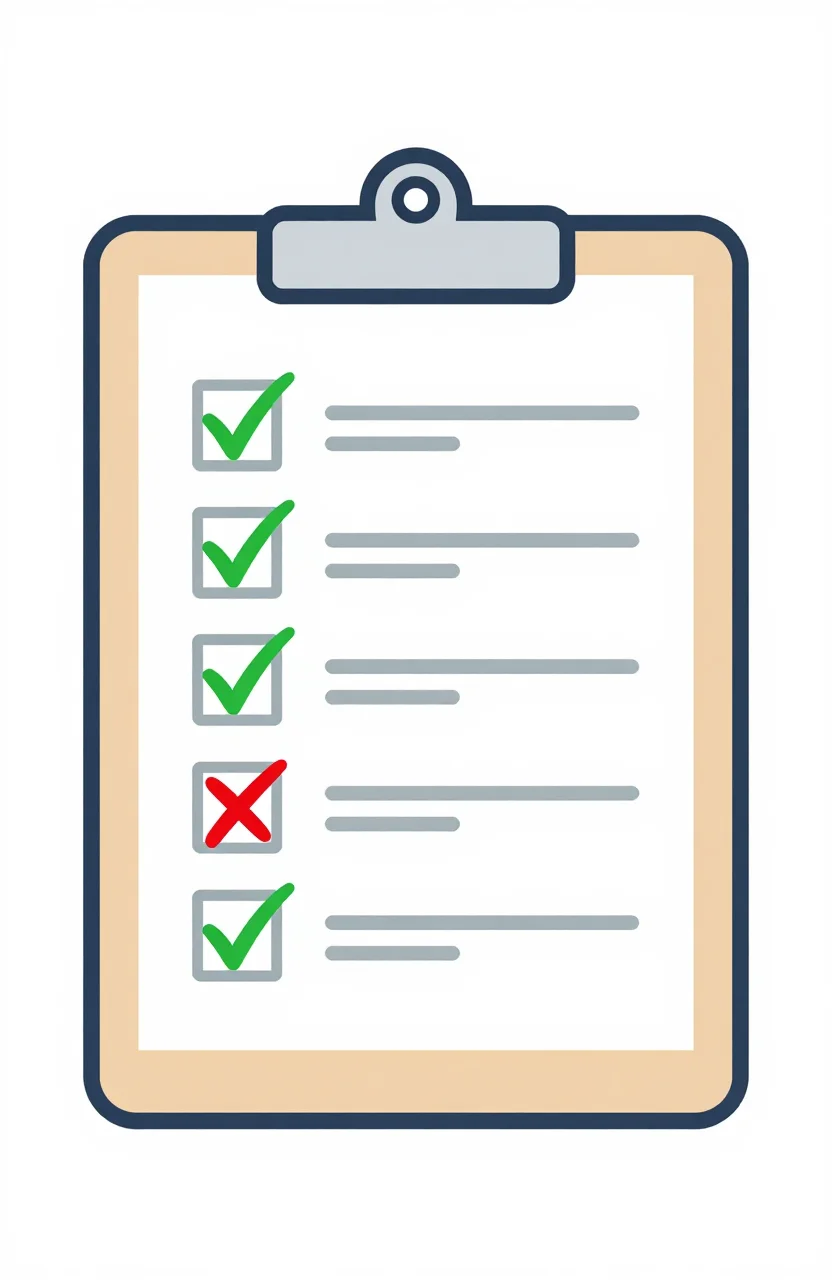
A practical sync checklist
Use this when you add a new directory or refresh old ones:
- Copy name and URL from the master, never from memory
- Paste the short or long description, then edit only the opener and one niche example
- Confirm pricing numbers match the live pricing page
- Choose the closest category to your master preference
- Save a row in a tracking sheet: directory, profile URL, date updated, notes
That sheet becomes your inventory. When something changes on the product, you know every place that still carries the old story. Optional columns that help later: whether the link is dofollow, whether you got referral traffic last month, and who owns the login. Future-you should not hunt through email for a password while pricing is wrong in public.
What consistency is not
Consistency is not freezing your product story forever. Ship updates. Change the master. Propagate. Consistency also is not filling every optional field with keyword salad so every profile reads like SEO copy. Humans browse directories. Write for them first.
And consistency is not the same job as stacking. Stacking asks which partners deserve your next afternoon. Consistency asks whether those listings still agree with each other when someone compares two tabs. Do both, in that order: pick the next home carefully, then keep the product story aligned.
If you only do one thing after reading this, create the master file today. Your future self - the one updating prices at midnight - will thank you.