Most founders treat a directory listing as a static SEO chip: submit, get a backlink, move on. That misses a second engine sitting in plain sight. Public leaderboards turn quiet listings into competitive discovery surfaces. People open them to see who is rising, then click through to projects.
This article explains how leaderboards create extra discovery for directory listings. It is not a 90-day Google ranking plan. The focus is human browsing behavior inside a curated catalog, and how you can ride that loop without gaming it.
What a Directory Leaderboard Actually Is
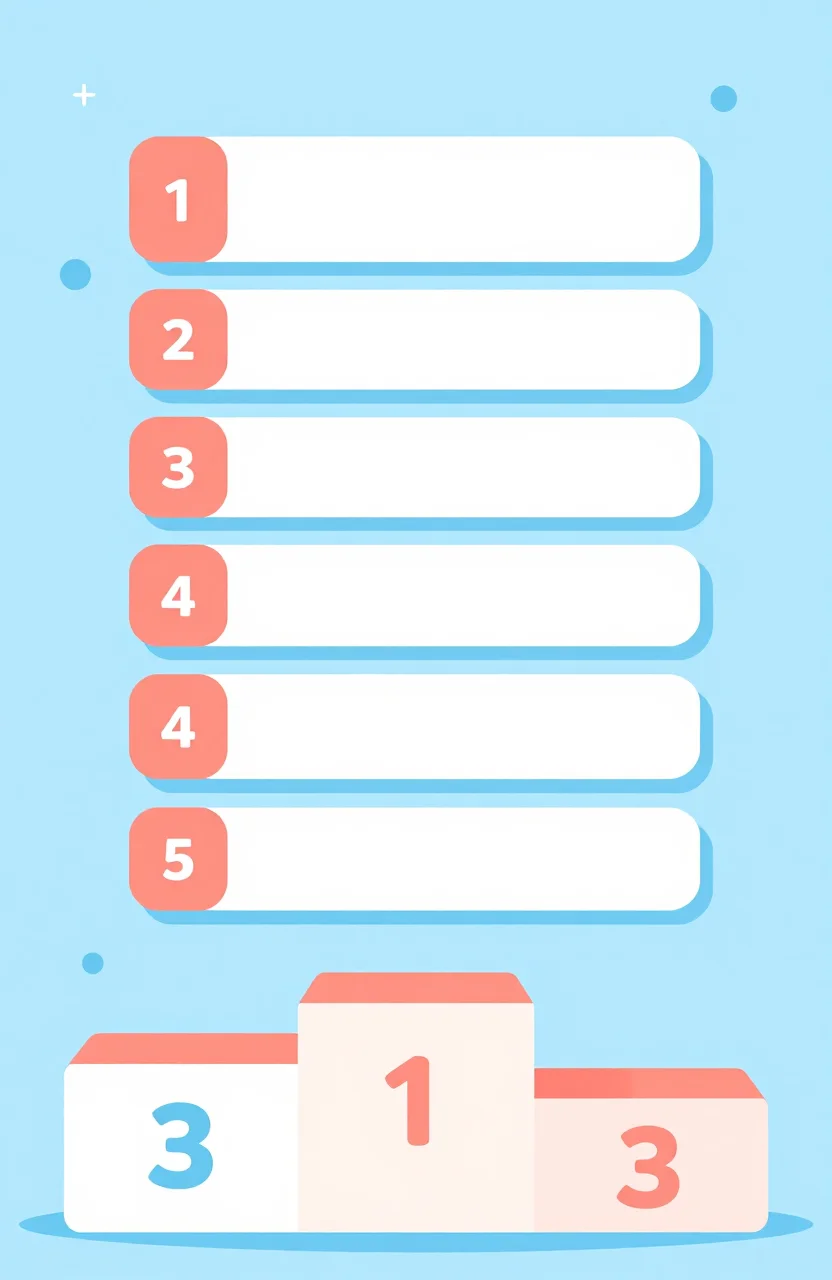
A leaderboard ranks listed projects or creators by a transparent score: votes, views, recency, quality signals, or a mix. Visitors land on it because ranked lists feel scannable. They want shortcuts: what is popular this week, who ships often, which tools sit near the top of a category.
That behavior is different from a search results page. On Google, you fight for one query. On a leaderboard, you fight for attention among peers who already passed the directory's review. The audience arrives with discovery intent. They expect to click multiple rows, not one blue link.
FindGreatSites surfaces this openly on the leaderboard. When someone browses top creators or rising projects, every row is a doorway back into a listing page. That is referral traffic you do not get from a backlink sitting unread in a crawl log.
Leaderboards also create social proof for late visitors. A project near the top looks less like an abandoned submission and more like something peers already noticed. That proof matters for indie tools competing against louder brands.
How Rankings Pull Traffic Into Listings
Traffic follows attention loops. A visitor opens the leaderboard, scans titles, clicks two or three listings, maybe returns later to check movement. Each click is a session on your listing URL. If your copy is clear, a slice of those sessions becomes site visits, trials, or follows.
Search engines notice listing pages that keep earning fresh internal clicks from active surfaces. You should still care about the human path first. Leaderboard-driven visits often bounce less than random directory spam clicks because the visitor chose you from a ranked context.
Internal linking inside the directory amplifies this. Category pages, leaderboard rows, and listing pages pass attention between each other. Your job is not to invent a second site structure. It is to keep your listing worthy of a click when it appears in a ranked row: sharp title, honest one-liner, correct category.
Compare that to a lonely listing buried on page twelve of an unsorted catalog. Same backlink quality on paper, far less discovery. The leaderboard is the sorting ritual that brings humans back to the same inventory.
Browse the main directory after you study the leaderboard. Notice how projects that look active and specific earn curiosity. That pattern is what ranking surfaces reward visually before any algorithm debate.
Signals That Move You Up (Without Black-Hat Tricks)
Exact scoring rules vary by platform and can change. The durable pattern is simpler: genuine engagement and a maintained listing beat empty spikes. Update your description when the product changes. Add a clean screenshot. Keep the category honest so the right browsers find you.
Encourage real users to interact through legitimate product channels the directory supports (votes, visits, or follows if those exist). Buying fake engagement is a short path to distrust and removal. Curated directories care about quality because their brand is the filter.
Shipping more than one solid project can also lift creator visibility when the leaderboard ranks people as well as single URLs. Consistency signals that you are building in public, not dumping a parked domain. Still, one excellent listing beats five hollow ones.
Pair leaderboard awareness with basic off-site hygiene. A dofollow listing still helps your graph, and ranking inside the directory helps humans find you. Both matter; they are not the same lever. If you need a wider free-link menu, keep it separate from this discovery mechanic.
Practical weekly habit: open the leaderboard once, note who sits near you, and improve one element of your listing copy. Small edits compound when the surface keeps getting traffic.
How to Write a Listing That Survives the Scroll
Leaderboard rows are ruthless. People skim. Your title should name the job you do, not a cryptic brand mashup. Your short description should answer "who is this for" in one breath. Avoid buzzword stacks that every AI tool already uses.
Lead with outcomes. "Invoice reminders for freelancers who hate chasing payments" beats "next-gen fintech OS." If you serve a niche, say the niche. Leaderboard browsers often hunt for category cousins of tools they already like.
Keep media fresh. A stale screenshot from a redesign two years ago kills trust even if your score is decent. Treat the listing like a storefront window you walk past every Monday.
After you polish the copy, submit or update through your account. New projects start with a free signup, then a listing that can appear in directory browsing and, over time, on ranked surfaces when engagement and quality line up.
Measure Discovery Separately From Rankings in Google
Tag referral traffic from the directory domain in your analytics. Watch listing page views, outbound clicks to your site, and signups attributed to that source. That tells you whether leaderboard visibility is doing real work.
Do not confuse a climb on a directory leaderboard with a climb for a head term in Google. You can win local discovery inside a catalog while your homepage still sits on page four for a competitive query. Both can be true. Celebrate the referral that converts; keep SEO work on its own calendar.
Share your listing URL when you post launch updates. Some of that traffic re-enters the directory, interacts, and feeds the same loop. You are not faking rank; you are inviting people who already care into a public surface that ranks attention.
If your listing never appears near active peers, audit category fit first. Wrong shelf, wrong eyes. Then improve the one-liner. Paid boosts, if you use them later, only amplify what the row already communicates.
Open the FindGreatSites leaderboard today, study the top rows like a competitor teardown, then harden your own listing so the next wave of browsers has a reason to stop on your name.