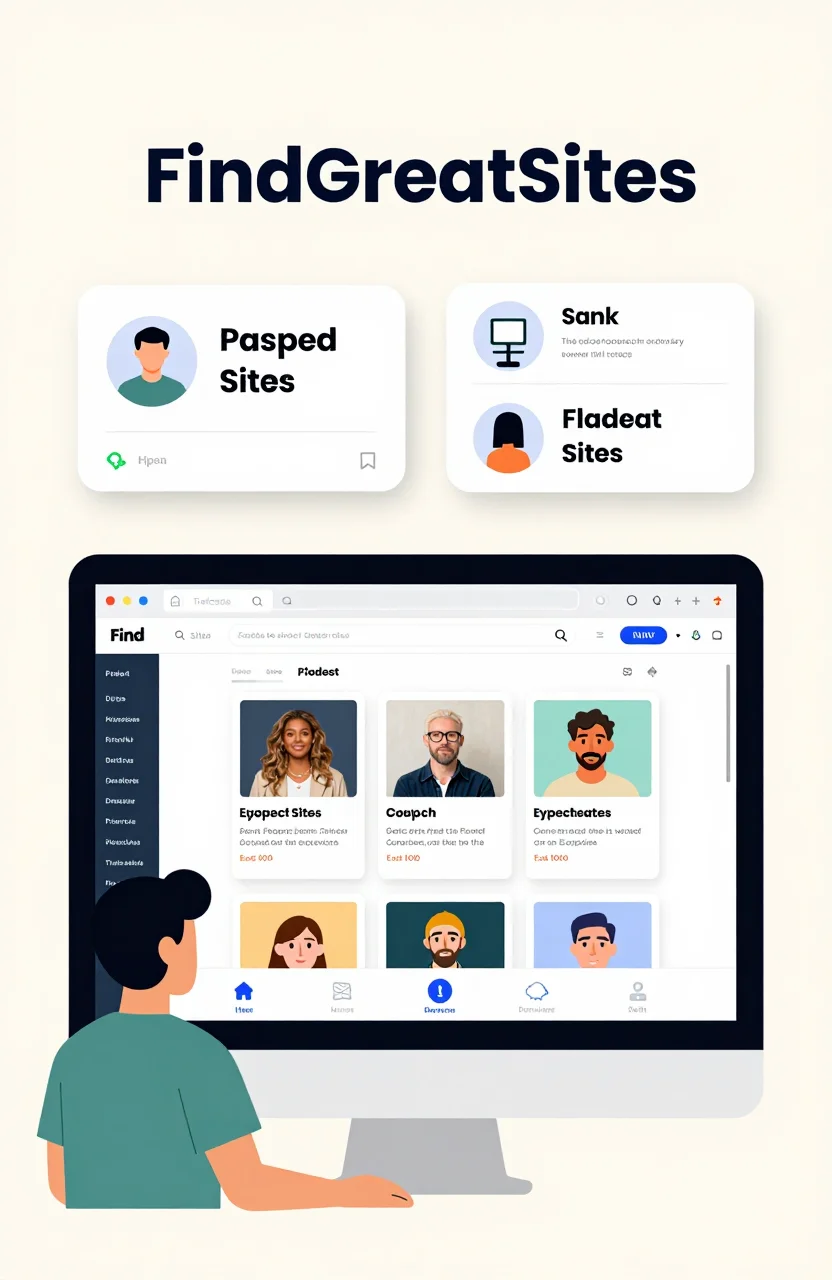
A web directory is a categorized list of sites people browse by topic. From the maker's side, it is a discovery engine: a place where browsers who came to look can find you without typing the perfect query. FindGreatSites is built around exactly that idea, pairing human review with a quality dofollow listing that stays findable.
Spammy link farms deserved to die. Curated directories did not. The ones that survived treat browse intent as seriously as search engines treat ranking, and that is why they still get projects found.
Browse to get found
Search starts with a question. Browse starts with a mood: "show me AI tools," "show me indie SaaS," "show me blogs worth reading." A directory answers that mood with a short list of reviewed options. Visitors compare side by side without leaving the category, which means a directory click often arrives warmer than a cold search visit.
That context is the discovery job. Your listing states the job in one line and links through. If the category matches how people think, you inherit intent you did not have to buy. FindGreatSites groups projects into categories like SaaS, AI, and blogs so a visitor browsing "AI" already wants something close to what you built.
For a new project, a directory is often the first real home on the web. Before you have a blog archive, a newsletter, or a social following, a FindGreatSites listing exists and gets found. That early presence gives every later channel something concrete to point back to.
Why curated directories still work
Auto-approval directories became noise. Curated ones kept working because a human reviewed each entry. Review raises the average quality of neighbors on the page, which raises trust in every card, including yours. Buyers notice when a list looks cared for; they also notice when it looks like a dump.
Myths worth dropping
"Directories are dead" ignores curated vertical lists. "Nofollow is worthless" ignores traffic and brand discovery. "Google ignores them" confuses manipulative schemes with legitimate, relevant listings. A quality dofollow link from a reviewed directory is still a clean signal when the topic fit is real.
Social feeds are loud and fast; a directory is quiet and permanent. A post vanishes in hours, while a listing can send traffic for months. FindGreatSites sits in the permanent camp and pairs well with launch platforms that spike and vanish. You get a lasting base and, separately, a launch-day surge.
How to evaluate a directory before you submit
Open the directory and browse a category like yours. If listings look curated, with real descriptions and active sites, it is worth your time. If the page is stuffed with unrelated links and broken pages, walk away. The quality of the list is the quality of the association you inherit.
When you can, glance at the directory's own authority. A directory that earns relevant inbound links passes more value than one nobody cites. Also check editorial review, not auto-approval, and categories that match how people actually browse. For a quick contrast between junk and curated options, use our spam versus curated checklist.
What a listing does for discovery
A good listing is a miniature landing page. It names the job, shows fit at a glance, and gets out of the way. Visitors who dislike being sold to browse a category, compare on their own terms, and click when ready. That self-directed journey converts better than an interrupted scroll, which is why curated directories outlived the spammy ones.
Keep the description honest and update it after a release. A listing that still describes last year's product quietly loses trust. Treat the FindGreatSites card as a living showcase page: accurate category, clear one-liner, and a homepage that delivers what you promised.
Directories and content plans are layers, not rivals. Content earns links over time; a directory gives an immediate, stable placement. FindGreatSites provides the anchor search engines and browsers both can see while your posts mature. Publish one useful piece a month, and keep the listing accurate so new readers can discover you either way.
Directories versus search
Search ranks by query match and dozens of ranking signals. A directory ranks by editorial fit inside a topic. Neither replaces the other. Search wins when someone knows the exact problem wording; browse wins when someone wants options inside a category.
A listing is permanent and survives algorithm swings better than a fragile ranking you never controlled. When Google reshuffles results, your directory placement can keep sending traffic. That resilience is why serious makers still submit even when organic search is the long-term goal.
Use the directory as your project's early anchor page. Link to it from profiles, and point late visitors who missed a launch day toward the live directory category where you live. Continuity beats hoping every channel works forever.
Picking a good directory and getting more from it
When you evaluate rivals, hold them to the FindGreatSites bar: clean category browse, real listings, human review, and a quality dofollow outcome or steady relevant traffic. If a directory cannot show that, it probably will not send the visitors a curated one does. Holding other sites to that standard saves wasted submissions.
- Editorial review, not auto-approval.
- Categories that match how people browse.
- A quality dofollow link or steady relevant traffic, preferably both.
- Active listings that look like real products, not parked pages.
After approval, treat the listing as live. Check the traffic it sends each month. Refresh the copy when you ship. If featured placements exist later, compare them against free results with clear goals instead of upgrading on impulse; our breakdown of featured versus free listings helps you decide with numbers.
Directories are becoming more vertical and community-driven. Instead of one giant dump, we see lists focused on AI tools, indie products, or local services, each with its own audience and standards. FindGreatSites fits that trend by curating for discovery while keeping human review. A trusted directory becomes more valuable over time, not less, because attention is scarce and buyers prefer short, honest lists.
A directory listing is a long-game asset. Unlike a social post that vanishes in hours, a FindGreatSites listing keeps sending relevant traffic and a quality dofollow link for months. Update it, point your other profiles at it, and let the compound effect reward makers who show up consistently more than those who chase only the next loud channel.